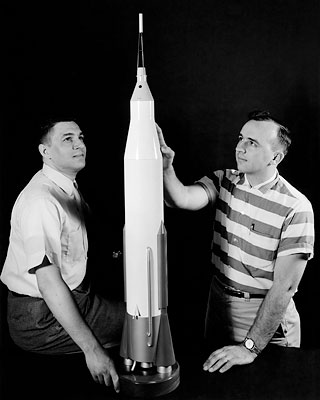
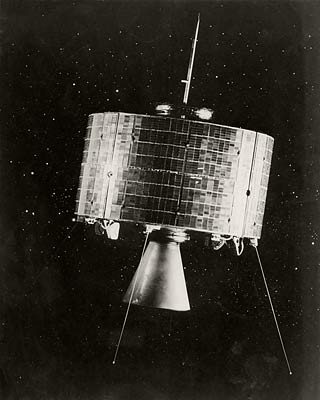
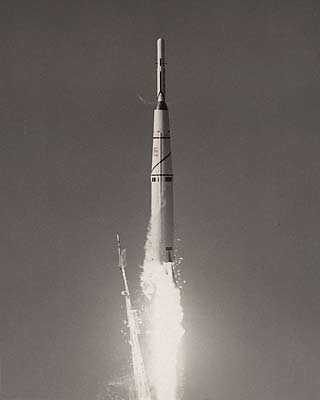
In 1977, Larry Sultan and Mike Mandel published Evidence — photographs pulled from the working files of American institutions: NASA, police departments, national laboratories. The archives were alive. The pictures were still in use, still governed by the purposes that made them.
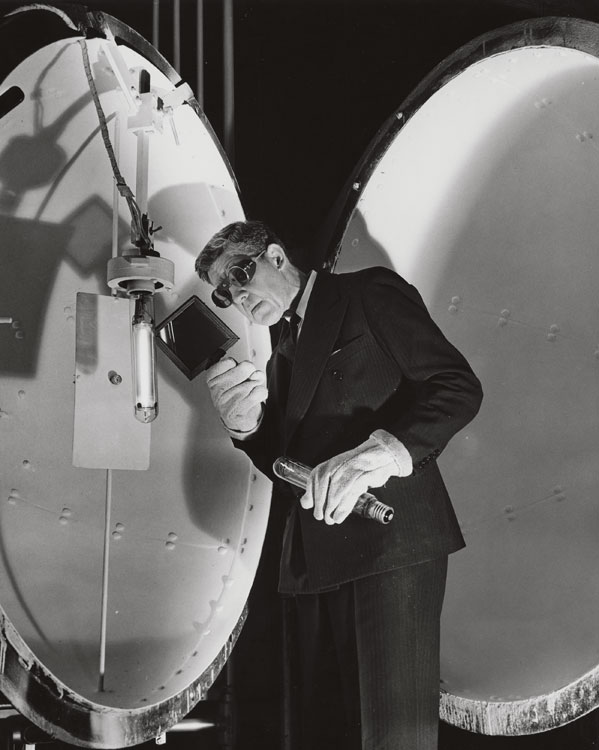
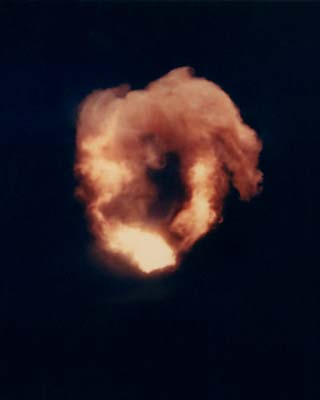
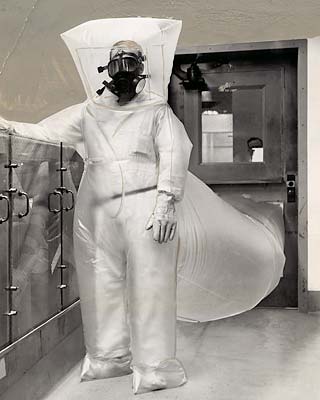
Fifty years on, most of those archives are gone. Digitizing costs money, and institutions spent it on what they judged worth keeping; the rest was often thrown away. Some of what survived was never meant to circulate at all — classified or restricted material, held only through the institution that controlled it. When the physical archive stopped being maintained, that control ended with it. This collection holds several thousand such prints, most identifiable, their origins withheld here by choice.
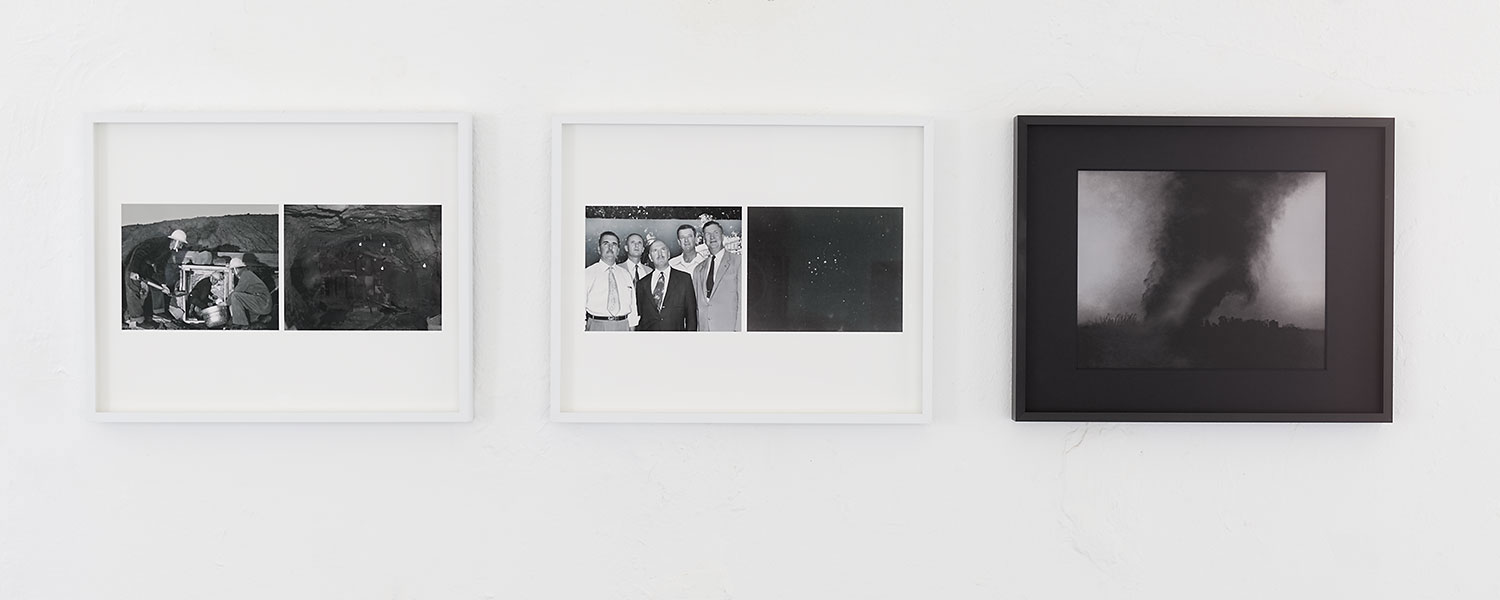
In New Evidence, Peter Voigt pairs these orphaned images — sometimes more than two — into sequences that never existed and were never intended. The gesture is Sultan and Mandel’s; the material is not. The archives they drew from were living institutional files; these are their remains. What is gone is the analog archive itself — the tended, governed system that once decided what these prints meant and who could see them. This work is built from what that system left behind when a database replaced it and the objects stopped mattering.
That loss of custody is not incidental. It is the condition that put this material within reach, and the work neither corrects nor apologizes for it. It uses it, in the open, as a second layer of evidence: proof not only of what these photographs once documented, but of the collapse that let them go.
No caption restores the original order. Each viewer builds their own, reading intention into a sequence that has none — and that act, performed by the viewer rather than supplied by the work, is the piece. New Evidence does not tell a new story. It stages the moment a story is made from material that no longer has one.