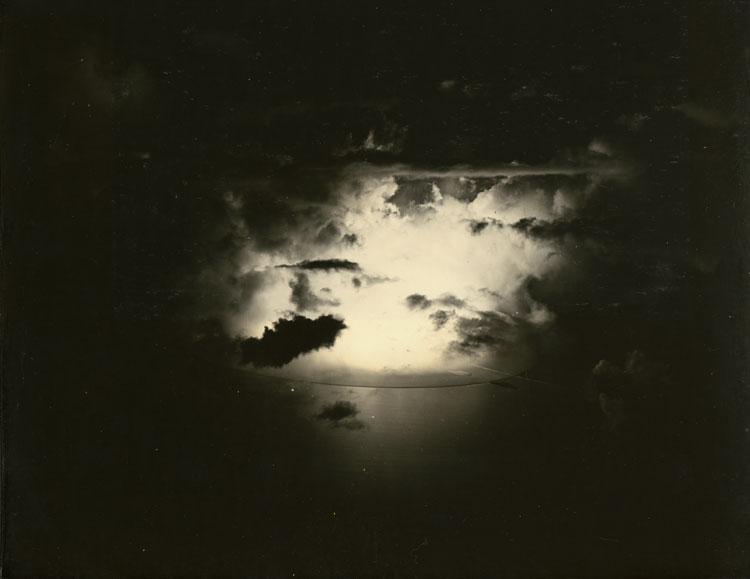
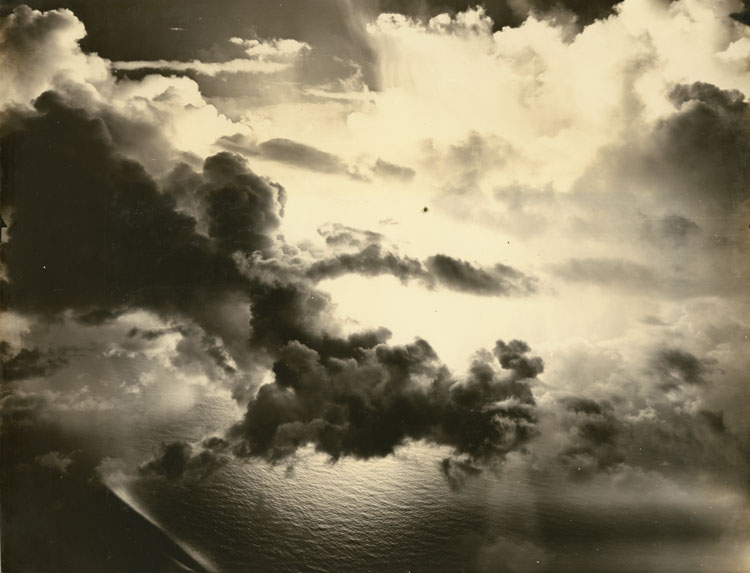
X-Ray was the shot that redesigned the American nuclear arsenal. Fired from a 61-metre tower on Engebi Island at Enewetak Atoll before dawn on 15 April 1948, it opened Operation Sandstone — the first test series run by the civilian Atomic Energy Commission — and proved the design the United States would rebuild its stockpile around. At 37 kilotonnes it was the most powerful nuclear explosion yet set off, a record it held for barely two weeks. But its yield was the least of its importance.
What X-Ray tested was efficiency. Its core combined two innovations held back at the end of the war and now rushed into service: a levitated pit, suspended in a gap so the implosion could compress it more forcefully, and a composite core that mixed plutonium with uranium. The mixing mattered enormously in practice. Plutonium was scarce and slow to produce; enriched uranium the country had in greater supply, and by stretching the one with the other, the same limited stock of fissile material could arm far more weapons. When Sandstone confirmed the design worked, the older, wasteful cores were abandoned outright — X-Ray's composite design and its sibling Zebra's went straight into the stockpile, and the total explosive power of the American arsenal rose by roughly three-quarters almost at once.
The island X-Ray consumed was a home. Engebi was one of the two principal islands of the Enewetak people, who had been removed from their atoll only months before and resettled on distant Ujelang — the start of an exile that would last, as one test after another took the atoll apart, for more than thirty years. X-Ray was the first of forty-three American detonations at Enewetak, and it fell on the ground where these people had lived.